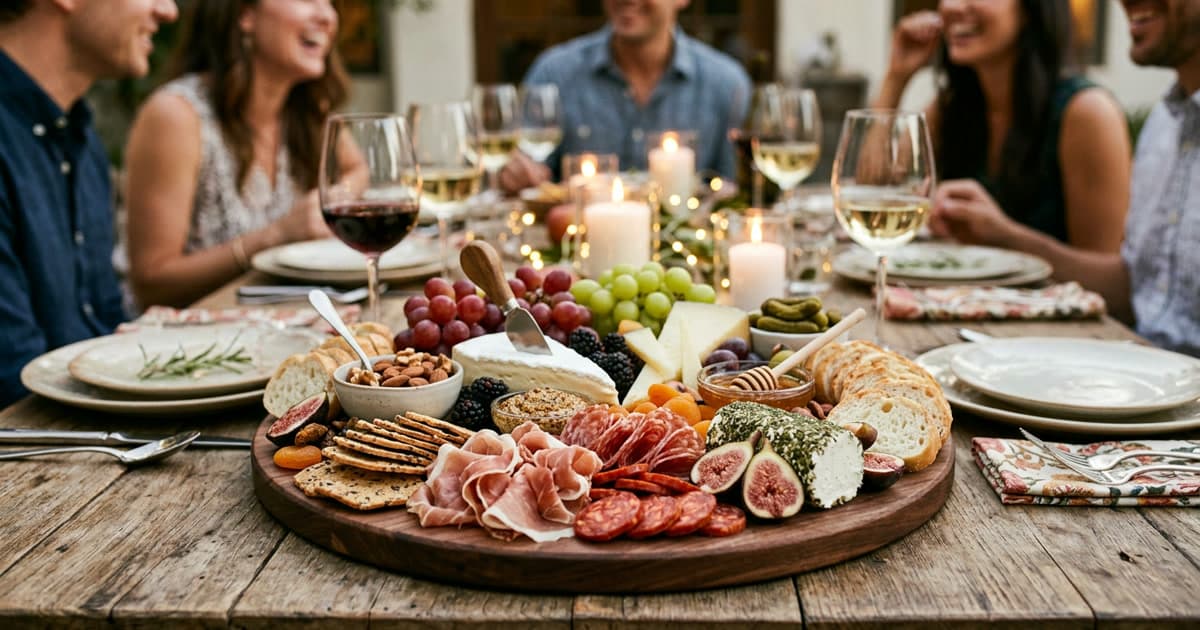
A great charcuterie board is one of the easiest ways to impress guests without spending hours in the kitchen. The beauty of it is that you are not really cooking anything. You are curating. Selecting good ingredients, arranging them thoughtfully, and presenting them on a surface that makes everything look intentional. When it is done well, a charcuterie board looks like it took serious effort, even when it came together in 20 minutes.
We have seen our boards used at everything from casual Friday night hangouts to weddings and holiday parties here in Jacksonville. Over the years, we have picked up a few things about what makes a spread really work. Here is everything you need to know to build a charcuterie board that looks and tastes incredible.
Start with the Right Board
The board itself sets the tone for the entire presentation. A beautiful wooden serving board gives your spread a warm, natural foundation that makes the colors of the food pop. Walnut is especially striking because its deep brown tones create natural contrast with cheeses, fruits, and cured meats.
Size matters more than most people think. A board that is too small forces you to pile everything on top of itself, which looks cluttered and makes it hard for guests to grab what they want. A board that is too large with too few items looks sparse. Here is a general guide:
- Two to four guests. A board in the 12 to 14 inch range works well. Think of it as an appetizer rather than a centerpiece.
- Six to eight guests. A 16 to 20 inch board gives you room to create sections and variety without overcrowding.
- Ten or more guests. Go large, 22 inches or bigger, or use two medium boards at different spots on the table. For big gatherings, a wooden serving tray can work alongside a board to extend your spread.
Choose Your Anchor Ingredients
Every good charcuterie board starts with anchor ingredients. These are the larger items that create the visual foundation of your spread. You will build everything else around them.
Start with two to three cheeses of different textures. A soft cheese like brie or goat cheese, a semi-firm like gouda or manchego, and a hard cheese like aged cheddar or parmesan give your guests a range of flavors and make the board visually interesting. Cut some of the cheese into slices or cubes before placing it. Leaving an entire wheel of brie intact looks elegant, but pre-cutting some of the firmer cheeses makes it easier for people to serve themselves.
For meats, choose two to three varieties of cured meat. Prosciutto, salami, and sopressata are classic choices. Fold or roll the slices rather than laying them flat. This creates height and texture on the board, which makes the whole spread look more abundant.
Fill in with Color and Texture
Once your cheeses and meats are placed, it is time to fill in the gaps. This is where the board goes from good to gorgeous. Think in terms of color and texture contrast:
- Fruits. Grapes, figs, apple slices, dried apricots, and pomegranate seeds add natural sweetness and bright color. Cluster grapes in small bunches rather than scattering individual grapes.
- Nuts. Marcona almonds, candied pecans, and walnuts add crunch and fill small gaps beautifully. Place them in small clusters rather than spreading them evenly.
- Olives and pickled items. Castelvetrano olives, cornichons, and pickled peppers add brininess that balances rich cheeses and meats. Use a small bowl on the board for anything with liquid.
- Spreads and dips. Honey, fig jam, whole grain mustard, and hummus give guests something to pair with crackers and bread. Small bowls or ramekins keep these contained and add height to the board.
The goal is to leave no bare wood visible. Every gap should be filled with something small, whether it is a few nuts, some dried fruit, or a sprig of fresh rosemary.
The Arrangement Strategy
Here is the approach we recommend, and it works every time:
First, place your small bowls on the board. These hold your spreads, olives, or anything with liquid. Position them off-center for a more natural look. These bowls act as anchors that you will build around.
Next, place your cheeses. Distribute them around the board so each cheese is in a different zone, not clustered together. This ensures guests can access variety from any side of the board.
Then add your meats. Fold prosciutto into loose rosette shapes. Fan salami slices in overlapping rows. Create small piles of rolled sopressata. Place meats near but not on top of the cheeses.
Now fill in with crackers and bread. Arrange them in lines or fans near the cheeses they pair well with. Use a variety of shapes and types: water crackers, seeded crisps, sliced baguette, and breadsticks.
Finally, fill every remaining gap with fruits, nuts, and garnishes. Tuck sprigs of rosemary or thyme into corners. Scatter pomegranate seeds across the whole board for a pop of red. This is the step that takes it from assembled to artful.
Flavor Pairing Tips
A charcuterie board should taste as good as it looks. Here are some classic pairings that work well together:
- Brie and fig jam. The creamy, mild cheese with sweet, fruity jam is a combination that everyone loves and it is one of the easiest pairings to get right.
- Aged cheddar and apple slices. The sharpness of the cheddar against crisp, tart apple is a timeless combination that feels sophisticated without being fussy.
- Manchego and marcona almonds. Both are Spanish staples and their flavors complement each other naturally. Add a drizzle of honey for something special.
- Prosciutto and melon. The salty, savory meat with sweet melon is a classic Italian pairing. Cantaloupe or honeydew both work beautifully.
- Goat cheese and honey. Tangy goat cheese balanced with raw honey and a few walnuts is simple and unforgettable.
Timing and Preparation
One of the best things about charcuterie is that you can do most of the preparation in advance. Here is a timeline that takes the stress out of it:
The day before, shop for your ingredients. Cured meats, hard cheeses, nuts, olives, and spreads all keep well overnight. Pick up fresh fruit and bread the day of if possible.
One hour before serving, take your cheeses out of the refrigerator. Cheese tastes dramatically better at room temperature. The flavors open up and the textures soften to their ideal state. This single step makes a bigger difference than any arrangement technique.
Thirty minutes before guests arrive, assemble the board. Follow the placement strategy above. It should take about 15 to 20 minutes once you have a system down.
Caring for Your Board After the Party
A quality wooden serving board deserves a little care after each use. Never put it in the dishwasher. The heat and moisture will warp and crack the wood. Instead, wash it by hand with warm water and mild soap, then dry it immediately with a clean towel.
If your board absorbed any strong flavors from cheese or garlic, a quick scrub with coarse salt and half a lemon neutralizes odors naturally. For detailed maintenance advice, visit our wood care guide.
With proper care, a hardwood serving board becomes more beautiful over time. The wood develops a warm patina that adds character, and the surface stays smooth and food-safe for years.
Make Your Next Gathering Memorable
A beautiful charcuterie spread is really about creating a moment. It is the centerpiece that brings people together around a table, encourages conversation, and makes even a casual get-together feel a little more special. The board you serve it on is the foundation of that experience.
Our serving boards and charcuterie boards are built by hand in our Jacksonville, FL workshop from premium hardwoods that look stunning and perform beautifully. Browse our collection to find the right board for your next gathering, or request a custom board sized and styled for your entertaining needs.
Looking for the perfect cutting board?
Every board we make is built by hand in our Jacksonville, FL workshop using premium hardwoods. Browse our collection or request a custom piece.